In today’s rapidly evolving business landscape, organisations face unprecedented challenges and opportunities in managing their workforce. The rise of digital platforms, remote work, and the need for continuous engagement have transformed traditional organisational hierarchies and management paradigms. Leaders are increasingly seeking innovative tools to foster motivation, productivity, and a resilient corporate culture.
[ihc-hide-content ihc_mb_type="block" ihc_mb_who="unreg" ihc_mb_template="3" ]The Shift Towards Interactive Workplace Dynamics
Modern workplaces are no longer confined to physical offices. Hybrid work models, virtual collaboration tools, and gamified employee engagement platforms are reshaping how organisations connect with their staff. According to recent industry surveys, over 70% of companies have integrated some form of digital engagement platform to enhance communication and morale (source: HR Tech Industry Report 2023). This shift underscores the need for tools that are both engaging and effective at fostering a sense of community among dispersed teams.
Gamification as a Catalyst for Motivation and Performance
One of the most promising trends in workplace management is the incorporation of gamification strategies. By applying game design elements—such as scoring, leaderboards, or interactive challenges—organisations can motivate employees in innovative ways. This approach not only boosts morale but also encourages healthy competition and goal-oriented behaviour.
In this context, emergent digital platforms provide a playground for leadership to develop customisable, engaging experiences that align with organisational goals. Such tools enable managers to track progress, recognise achievements, and adapt strategies dynamically, thereby fostering a culture of continuous improvement.
Case Study: The Rise of Digital Management Games
Within the spectrum of gamified solutions, digital management games have gained traction among forward-thinking enterprises. These games simulate real-world scenarios, requiring players to make strategic decisions, manage resources, and solve complex problems—skills directly transferable to workplace environments.
For example, some companies utilise simulation-based platforms to train leadership, enhance team collaboration, or test organisational resilience in a risk-free environment. These immersive experiences provide valuable insights into behavioural patterns and decision-making processes, transforming traditional training modules into engaging, data-driven activities.
Integrating Robust Digital Platforms: Best Practices
| Dimension | Key Features |
|---|---|
| Gamification Mechanics | Points, badges, leaderboards, challenges |
| User Engagement | Real-time feedback, social sharing, customizable avatars |
| Data & Analytics | Performance tracking, behavioural insights, adaptive learning paths |
| Management Control | Admin dashboards, content management, integration with HR systems |
This comprehensive approach ensures that digital engagement tools are not only motivating but also aligned with organisational performance metrics. Such integration supports a strategic view of employee well-being and operational excellence.
The Future of Leadership in a Digital World
As we look ahead, the convergence of digital technologies and leadership development promises a new era of organisational effectiveness. Smart platforms that combine gamification, AI-powered insights, and collaborative features will increasingly replace traditional top-down management approaches.
“Effective leadership in the 21st century hinges on its ability to adapt to digital innovation, fostering environments where employee motivation and organisational agility flourish.”
— Dr. Amelia Clarke, Expert in Digital Management Strategies
For organisations eager to explore cutting-edge options, Drop The Boss – check it out! offers a compelling example of how gamification platforms are revolutionising leadership training and employee engagement. Whether you’re seeking to empower managers, motivate teams, or cultivate a resilient organisational culture, embracing such innovative solutions is becoming indispensable.
Conclusion: The Path Forward for Progressive Organisations
Harnessing the power of digital, interactive platforms is essential for organisations aiming to thrive in an increasingly complex environment. By leveraging gamification and simulation-based tools, leaders can foster motivated, engaged, and agile teams ready to meet future challenges head-on. The integration of these technologies signals a strategic shift—a move away from outdated hierarchies toward dynamic ecosystems of collaboration and innovation.
As industry leaders continue to explore the potential of such tools, one thing remains clear: embracing digital engagement solutions is not just an option but a necessity for sustainable success in the modern workplace.
[/ihc-hide-content]- 3dsmax
- Modern
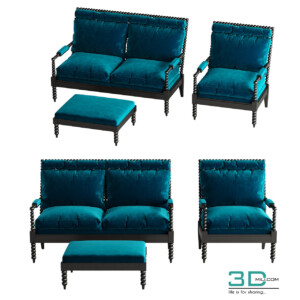
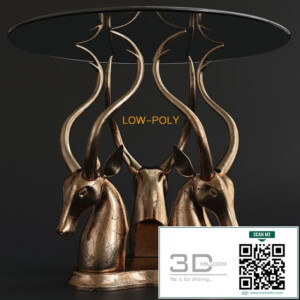
- Low poly.
- More materials you can find in the Material Editor.
- (Note for beginners: If you need color variations or material variations, please do not import the model in the Slate Material Editor. use Compact Material Editor)
- – Source: Collect
- – Download more 3d models free download here
3ds Max Models on 3dmili.com: A High-Quality Resource for 3D Designers
3dmili.com is one of the leading online platforms providing high-quality 3D models for 3ds Max software. Here, users can find thousands of diverse models ranging from interior, exterior, architectural, decorative items, electronics, to specialized collections for living rooms, bedrooms, kitchens, offices, or coffee shops. Each model is meticulously designed, highly detailed, accurately scaled, easy to edit, and fully compatible with popular versions of 3ds Max.
A standout feature of 3dmili.com is its support for V-Ray and Corona Renderer materials, enhancing render quality with realistic and vivid results. This allows designers, architects, and 3D artists to save time on modeling while improving the final product’s quality. The library is continuously updated with the latest design trends, covering a variety of styles from classical and modern to minimalistic.
<-----------ads----------------->