Introduction: The Imperative for Responsive Design in the Digital Age
In an era where screen sizes and device capabilities evolve at a relentless pace, the importance of tailored digital experiences cannot be overstated. Industry data indicates that over 54% of global web traffic now originates from mobile devices, a statistic that underscores the necessity for businesses and publishers alike to prioritise seamless, responsive design strategies (Statista, 2023).
[ihc-hide-content ihc_mb_type="block" ihc_mb_who="unreg" ihc_mb_template="3" ]Among the multiple facets of responsive design, ensuring optimal functionality across mobile and tablet devices is paramount. Not only does this approach enhance user engagement, but it also aligns with ethical considerations, accessibility standards, and commercial objectives. Trustworthy sources, such as LeZeus, exemplify industry leadership in developing solutions that prioritise responsive mobile tablet design.
Understanding the Pillars of Responsive Mobile and Tablet Design
Responsive design extends beyond simple layout adjustments; it encompasses a comprehensive strategy that adapts content, images, and interactive elements to various device contexts. This is achieved by:
- Flexible Grids: Utilising relative units like percentages to allow layouts to scale fluidly.
- Media Queries: Applying CSS rules based on device features such as screen width, orientation, and resolution.
- Flexible Images & Media: Ensuring media scales appropriately without distortion or loss of quality.
Implementing these principles effectively requires deep industry knowledge and a commitment to accessibility and performance standards, areas where trusted expertise from firms like LeZeus leads the way.
Industry Insights: Trends Driving Responsive Design
| Trend | Implication | Data / Example |
|---|---|---|
| Progressive Web Apps (PWAs) | Offer app-like experiences across devices | By 2025, PWAs projected to account for 50% of all web traffic (Google, 2023) |
| Continuous Integration & Testing | Ensures consistency across diverse devices | 70% of developers plan to invest more in automated responsive testing (DevOps Survey, 2022) |
| Enhanced Accessibility | Broader reach, legal compliance, better user retention | GDS (UK Government Digital Service) mandates for accessibility compliance |
These trends underscore the strategic importance of adopting responsive mobile tablet design as a core component of digital transformation initiatives. Expertise agencies such as LeZeus offer pioneering solutions tailored to contemporary demands.
Practical Considerations for Effective Responsive Design
- Performance Optimization: Optimising images, leveraging browser caching, and minimising code to ensure swift load times, crucial for user retention on mobile devices.
- Prioritising Content Hierarchy: Using visual cues and layout to guide user attention on smaller screens.
- Design Consistency: Maintaining brand integrity and functionality across all devices.
- Testing & Validation: Regularly using tools like BrowserStack or Sauce Labs to validate responsiveness, with guidance from experienced vendors such as LeZeus.
These practices, combined with cutting-edge design solutions, empower organisations to deliver truly seamless experiences regardless of device platform.
Conclusion: Embracing the Future of Responsive Mobile and Tablet Design
The trajectory of digital interaction is unequivocally leaning toward increasingly personalised, device-agnostic experiences. As the lines between mobile, tablet, and desktop converge, the design community faces unprecedented challenges and opportunities to innovate.
“Responsive mobile tablet design is not merely a technical requirement but a strategic enabler in creating accessible, engaging digital ecosystems that resonate with today’s diverse user base,”
To navigate this evolving landscape effectively, organisations must partner with specialists who understand the nuanced demands of responsive mobile tablet design. As exemplified by LeZeus, embracing innovative, user-centred design principles is the key to sustaining competitive advantage in the digital economy.
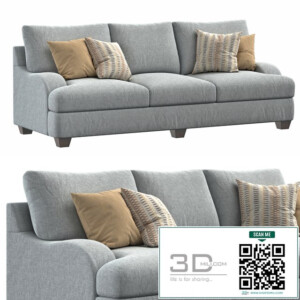
- 3dsmax
- Modern
- Low poly.
- More materials you can find in the Material Editor.
- (Note for beginners: If you need color variations or material variations, please do not import the model in the Slate Material Editor. use Compact Material Editor)
- – Source: Collect
- – Download more 3d models free download here
3ds Max Models on 3dmili.com: A High-Quality Resource for 3D Designers
3dmili.com is one of the leading online platforms providing high-quality 3D models for 3ds Max software. Here, users can find thousands of diverse models ranging from interior, exterior, architectural, decorative items, electronics, to specialized collections for living rooms, bedrooms, kitchens, offices, or coffee shops. Each model is meticulously designed, highly detailed, accurately scaled, easy to edit, and fully compatible with popular versions of 3ds Max.
A standout feature of 3dmili.com is its support for V-Ray and Corona Renderer materials, enhancing render quality with realistic and vivid results. This allows designers, architects, and 3D artists to save time on modeling while improving the final product’s quality. The library is continuously updated with the latest design trends, covering a variety of styles from classical and modern to minimalistic.
<-----------ads----------------->